
Understanding Power Surges & Protecting Your Lights
What is a Power Surge?
A power surge is a rapid, high-voltage spike in an electrical current. Standard residential electrical systems are engineered to handle a steady 120-volt flow. Even though a surge lasts only a fraction of a millisecond, it can severely exceed this capacity—causing permanent damage to home electronics, appliances, and high-performance LED dock lights.
Note: GFCI Outlets vs. Surge Protectors
While both provide essential safety, Ground Fault Circuit Interrupters (GFCIs) protect against shock hazards caused by moisture or ground faults. Surge protectors, by contrast, safeguard your equipment against sudden voltage spikes.
Primary Causes of Power Surges
1. Boat Lifts (The #1 Cause of Dock Light Failure)
Motorized boat lifts draw high amperage upon startup, creating a heavy voltage spike across the circuit. High-output LED fixtures rely on sensitive internal LED drivers and circuit boards that can easily be damaged by these recurring spikes.
-
Best Practice: Never wire or plug LED lights into the same electrical circuit as a boat lift. If your dock relies on a single breaker or circuit, we recommend consulting a licensed electrician to install a dedicated, clean power supply for your lighting.
2. High-Draw Appliances
Common motor-driven devices—such as air conditioners, refrigerators, and space heaters—frequently trigger micro-surges when cycling on and off. Over time, these minor fluctuations degrade sensitive electronic components, even if they do not trip a circuit breaker.
3. Nearby Lightning Strikes
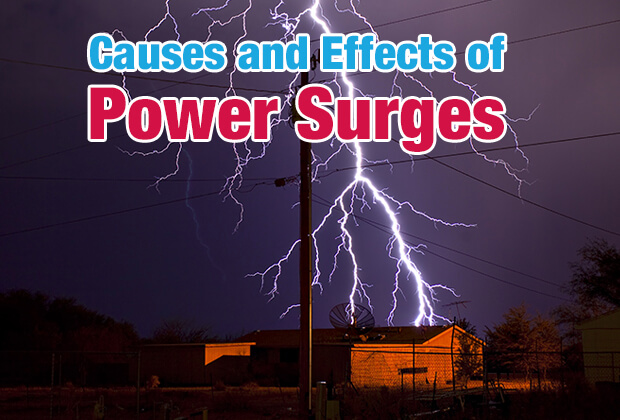
A direct strike to your immediate property is not required to damage your system. Lightning striking a transformer or utility line anywhere on your local grid can send a massive surge through electrical lines, compromising connected devices and lighting fixtures.
Best Practices for Generator Use
Generators offer a versatile portable power solution, but their output voltage and amperage fluctuate significantly during startup and shutdown. Unregulated power fluctuations can quickly destroy an LED driver.
To protect your lighting investment when operating on generator power:
-
Follow Proper Power Sequencing: Always start the generator and allow it to reach full operational speed before plugging in your lights. Disconnect the lights before powering the generator down.
-
Install Surge Protection: Use an inline surge protector to buffer against voltage irregularities during operation.
Recommended Protection
If your lighting setup does not feature built-in surge suppression, we strongly advise installing our 10KA Heavy-Duty Surge Protector. It provides robust defense against lightning strikes, generator fluctuations, and localized grid spikes—ensuring long-lasting performance for your dock lights.

Addressing LED Flickering & Blinking on Generator Power
If your LED lights flicker or blink when connected to a generator, the primary issue is typically unstable output voltage.
Unlike traditional incandescent bulbs—which retain residual heat and continue to glow between electrical cycles—LEDs react instantaneously to changes in power. When a generator’s voltage output fluctuates, the LEDs rapidly turn on and off in sync with the generator’s AC sine wave (cycling 50 to 60 times per second, or Hz).
Why Generator Age & Size Matter
Voltage instability is particularly common in older or larger industrial generators. These units often cycle power up and down dynamically based on load changes, creating erratic voltage flow. Newer, modern generators generally feature inverter technology or advanced internal regulation that delivers a much cleaner, consistent power output.
How to Resolve Generator-Induced LED Flickering
-
Install an Automatic Voltage Regulator (AVR): Check with your generator manufacturer to see if a dedicated voltage regulator can be installed. This helps stabilize power delivery and smooth out minor fluctuations.
-
Use Inverter Generators: If you frequently rely on portable power for high-output or sensitive LED fixtures, inverter-equipped generators produce clean sine-wave power comparable to standard residential utility grids.
-
Upgrade Your Power Source: If an existing generator experiences severe voltage drift that cannot be regulated, upgrading to a modern, regulated generator model may be necessary to protect sensitive internal LED drivers.